Community
Mild and breezy Sunday in SE Wisconsin
By Marcus Chen
Advertisement · Why this ad?
Marcus manages the day-to-day editorial workflow across all brands, coordinating coverage assignments and ensuring editorial standards are met. He previously served as city editor at the Pioneer Press and holds a degree in Political Science from Carleton College.
More from Marcus →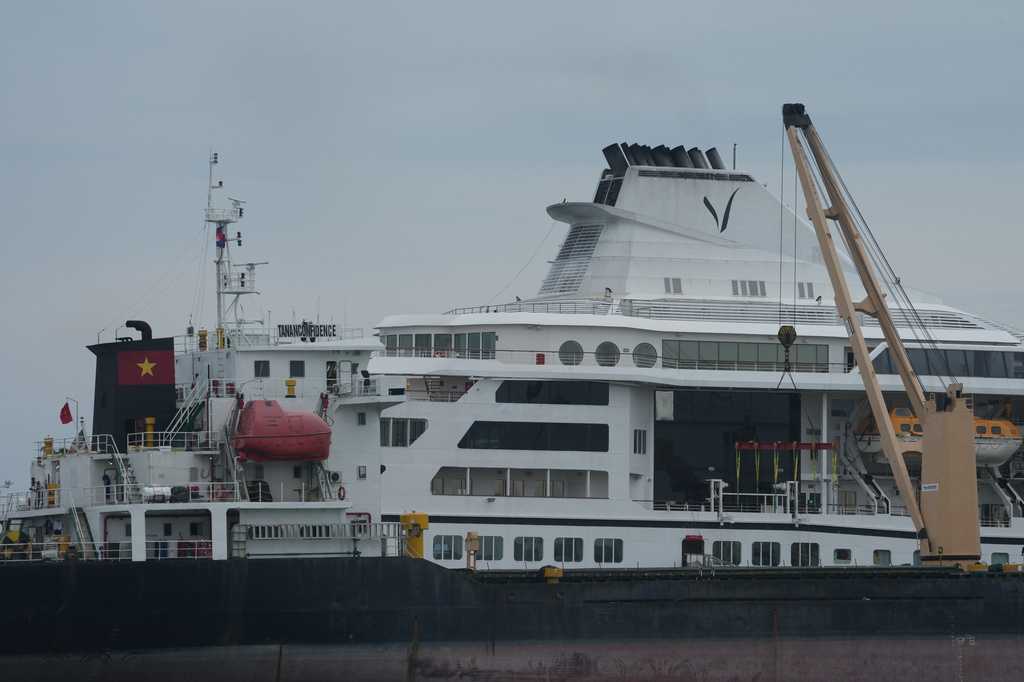
A U.S. cruise ship, once a beacon of adventure and luxury, abruptly suspended its global voyage in Cambodia, leaving hundreds of passengers stranded. The dream of a floating home on the high seas turned into a harsh reality as rising fuel costs hit hard. Indeed, a U.S. cruise ship on a three-year global voyage suspended its journey in Cambodia, stranding hundreds of passengers due to rapidly escalating fuel costs, an unforeseen disruption to what many believed would be a seamless, long-term adventure.
For many, the idea of an around-the-world cruise represents the pinnacle of travel, a chance to explore diverse cultures and breathtaking landscapes without the constant packing and unpacking. This particular U.S. cruise ship had marketed its cabins not just as temporary accommodations, but as genuine “floating homes,” inviting passengers to commit to an ambitious three-year journey across the globe. It was an enticing proposition for those seeking a unique lifestyle, a blend of wanderlust and domestic comfort.
The promise was a continuous, immersive experience, allowing individuals and couples to truly settle into life at sea while traversing continents. Passengers had invested significant time, money, and emotional commitment into this once-in-a-lifetime experience, envisioning years of exploration and community building aboard their floating residence. The allure was undeniable: a stable, yet ever-changing, environment that offered both adventure and the comforts of home.
However, that ambitious vision came to an abrupt halt in the waters off Cambodia. The vessel, designed for extended stays and long-haul travel, found itself unable to continue its itinerary. The reason, stark and unyielding, was the sudden and unsustainable surge in fuel costs, making the continuation of the voyage economically unfeasible for the operators. This decision left hundreds of passengers in a precarious situation, far from their intended destinations and accustomed routines.
The suspension underscores the volatile nature of global markets and their direct impact on even the most meticulously planned ventures. Fuel, particularly marine diesel, is a significant operational expense for cruise lines, and unexpected price spikes can quickly erode profit margins and operational viability. The U.S. Energy Information Administration (EIA) tracks these fluctuations, showing how global events can translate into immediate financial pressures for industries reliant on fossil fuels.
This incident highlights a broader challenge facing the cruise industry. While organizations like the Cruise Lines International Association (CLIA) advocate for sustainable practices, the sheer scale of global voyages means they remain highly susceptible to economic shifts. The dream of endless travel, while appealing, must contend with the practicalities of a global economy where costs can change rapidly, affecting everything from ticket prices to the very feasibility of a journey.
For the hundreds of passengers aboard, the news was devastating. They were forced to disembark in a foreign country, many thousands of miles from their original homes or planned next destinations. This disruption meant not only the loss of their unique living arrangements but also the immediate challenge of securing new accommodations, flights, and managing the logistics of an unplanned return or onward journey from a place like Cambodia, a nation with its own unique customs and infrastructure, as detailed by the U.S. Department of State.
The ripple effects extend beyond the immediate passengers. Local economies in port cities, both where the ship was stranded and those it was meant to visit, experience unexpected shifts. Stranded travelers, while potentially boosting local businesses in the short term for necessities, represent a disruption to the planned flow of tourism and services. This incident serves as a poignant reminder of the interconnectedness of global travel and local communities.
For families in Brookfield and across our nation, this distant event offers a stark, yet valuable, lesson. It underscores the importance of robust financial planning and contingency measures, not just for daily life but for ambitious long-term plans like extensive travel. While the allure of adventure is strong, the stability of one's home and family life often provides the bedrock from which such adventures can be safely launched and, if necessary, returned to.
The concept of a “floating home” speaks to a desire for stability within exploration, a sentiment deeply rooted in the American dream of a secure household. When that stability is unexpectedly shattered, the emotional and logistical toll can be immense. This situation emphasizes the wisdom of ensuring that one's primary home and family ties remain strong and secure, providing a reliable anchor no matter where one's travels may lead. Resources like USA.gov's guidance for travelers abroad become critically important in such unforeseen circumstances.
Travel insurance, often seen as an optional add-on, reveals its true value in situations like this. Comprehensive policies can cover unexpected disembarkation, alternative travel arrangements, and medical emergencies, providing a crucial safety net when dreams turn into logistical nightmares. The U.S. Department of State offers detailed advice on travel insurance, a resource every long-term traveler should consult.
Furthermore, the incident prompts a necessary conversation about the sustainability of long-term, global cruise travel. Beyond fuel costs, environmental concerns and public health considerations, such as those monitored by the CDC's Vessel Sanitation Program, are increasingly shaping the industry. As noted by publications like The Maritime Executive, the maritime sector is constantly evolving to meet new economic and environmental challenges.
The experience of these stranded passengers is a testament to human resilience in the face of unexpected adversity. While their grand voyage was cut short, the necessity of adapting and finding new paths forward highlights the enduring spirit of adventure, even when tempered by harsh realities. It also underscores the responsibility of travel providers to anticipate and mitigate such risks, ensuring that the dreams they sell can withstand the unpredictable currents of the global economy.
For those who plan extensive travel, whether by sea or land, the message is clear: thorough preparation, including financial foresight and comprehensive insurance, is paramount. While the world offers endless wonders, the stability of a well-planned life, anchored by strong family values and sound financial decisions, provides the best foundation for any journey. News outlets like NPR, The New York Times, and The Wall Street Journal frequently cover the economic forces that shape global travel, offering valuable insights for future planning.
The City of Brookfield, Wisconsin, though geographically distant from Cambodia, is home to many families who value travel and exploration. This incident serves as a reminder that global events have local implications, influencing how we plan our own adventures and secure our futures. As we look to the future of travel, the emphasis will undoubtedly be on journeys that are not only enriching but also robust enough to weather the inevitable storms of an ever-changing world, ensuring that the pursuit of adventure does not come at the cost of personal stability and peace of mind. For those considering international travel, the World Health Organization's travel health advice is another essential resource, reminding us that preparedness extends to all aspects of our well-being.
By Marcus Chen

By Marcus Chen

By Katherine Langford

By Marcus Chen